
Findings
Headline Findings
1.

There is very little formal resourcing of educators to teach on climate justice, and no requirement for them to do so in the national curricula they work with.
2.

School and individual approaches to climate justice vary, and educators are finding creative ways to work with students to talk about, and work towards enacting, climate justice from classrooms as appropriate.
3.

These creative initiatives are often influenced by or in response to students’ own interventions in classrooms, particularly at post-primary levels, as students debate a wide range of political views and responses to climate change.
4.
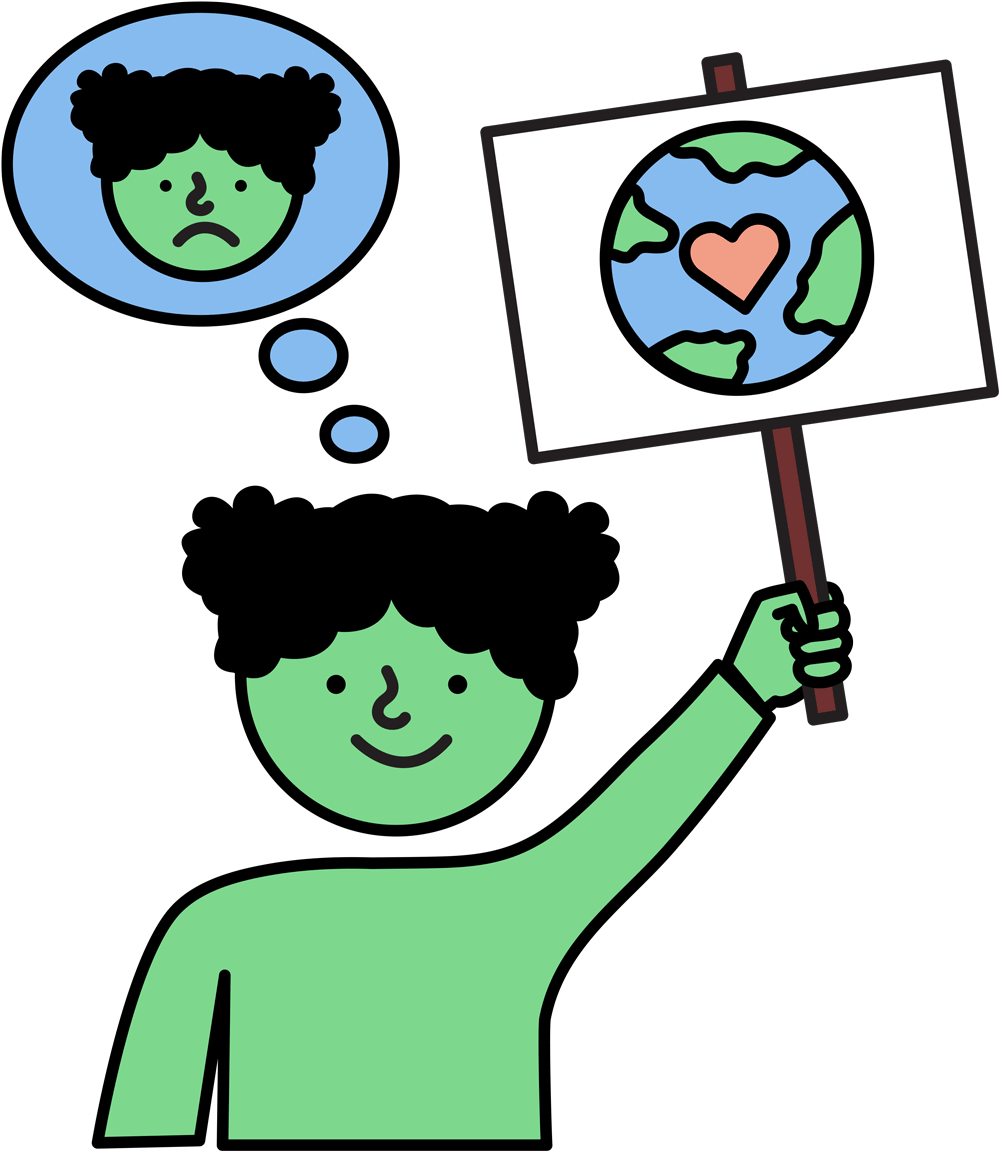
This work involves emotions such as sadness, anger, guilt and hope. Such emotions demonstrate meaningful engagement with the topic, and where they are nurtured and dealt with sensitively, these emotions can prompt ideas and actions.
5.

Images can be particularly powerful in communicating and debating ideas about climate justice, as well as generating new collective understandings.
6.

More institutional support is necessary to support climate justice in the classroom. This extends from inclusion in curricula documents, to revised leadership approaches that support climate justice activities, and the provision of greater professional development opportunities for educators.